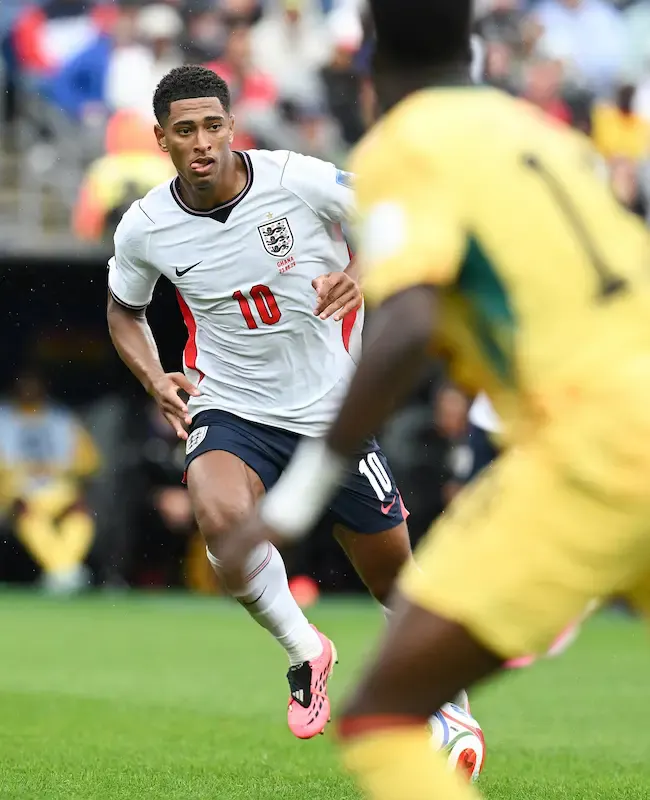
The first 48-team World Cup brought more nations to the tournament than ever before, creating opportunities for unfamiliar teams to compete on football's biggest stage. Hosted across Canada, Mexico and the United States, it was also the largest World Cup in the competition's history.
As the tournament unfolded, several traditional powers struggled. Germany, the Netherlands, Uruguay and Brazil were eliminated earlier than expected, while Cape Verde, Norway, Morocco, Switzerland and Paraguay went further than many had anticipated. For some, simply reaching these stages represented a new chapter in their footballing history.
The tournament reflected a game becoming increasingly competitive across continents. The familiar names remained part of the story, but they no longer seemed quite as untouchable. In 2026, reputation still carried weight, but it offered no guarantees, as established nations and emerging teams found themselves closer than ever before.
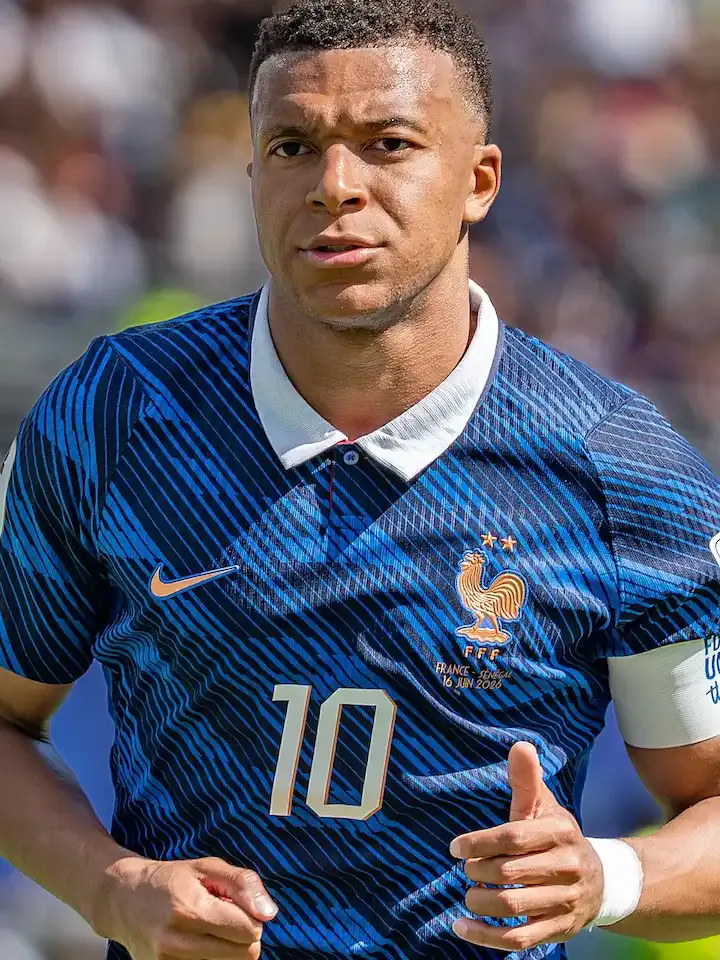
Kylian Mbappé claimed his second consecutive Golden Boot after scoring ten goals, the highest total at a World Cup in more than fifty years. Although France fell short of another final, his goals carried them deep into the tournament and further established him as one of the defining World Cup players of his generation.
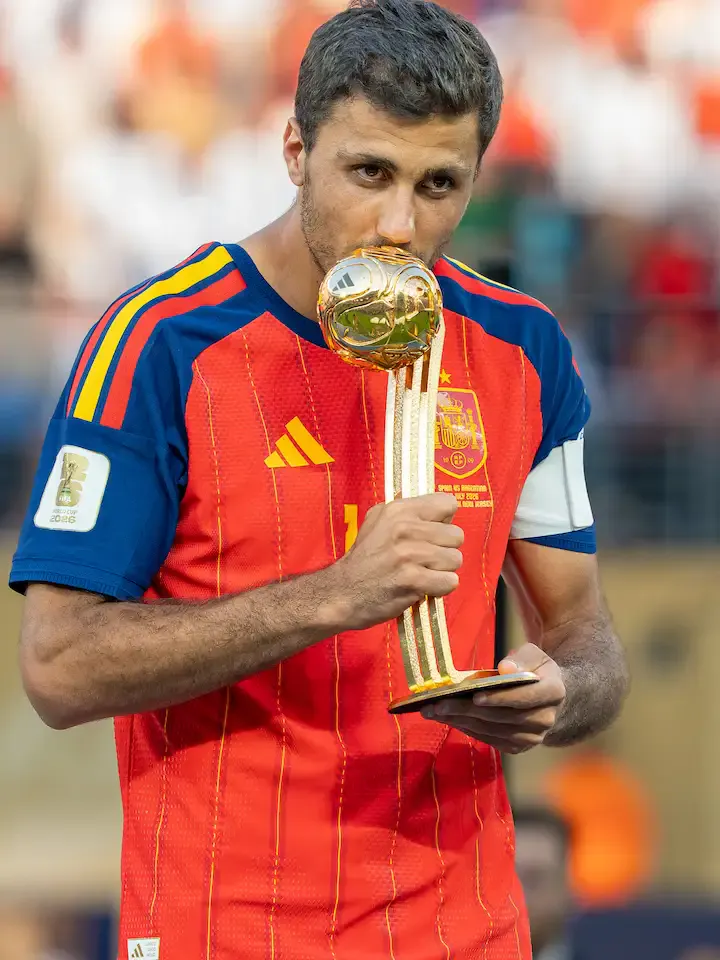
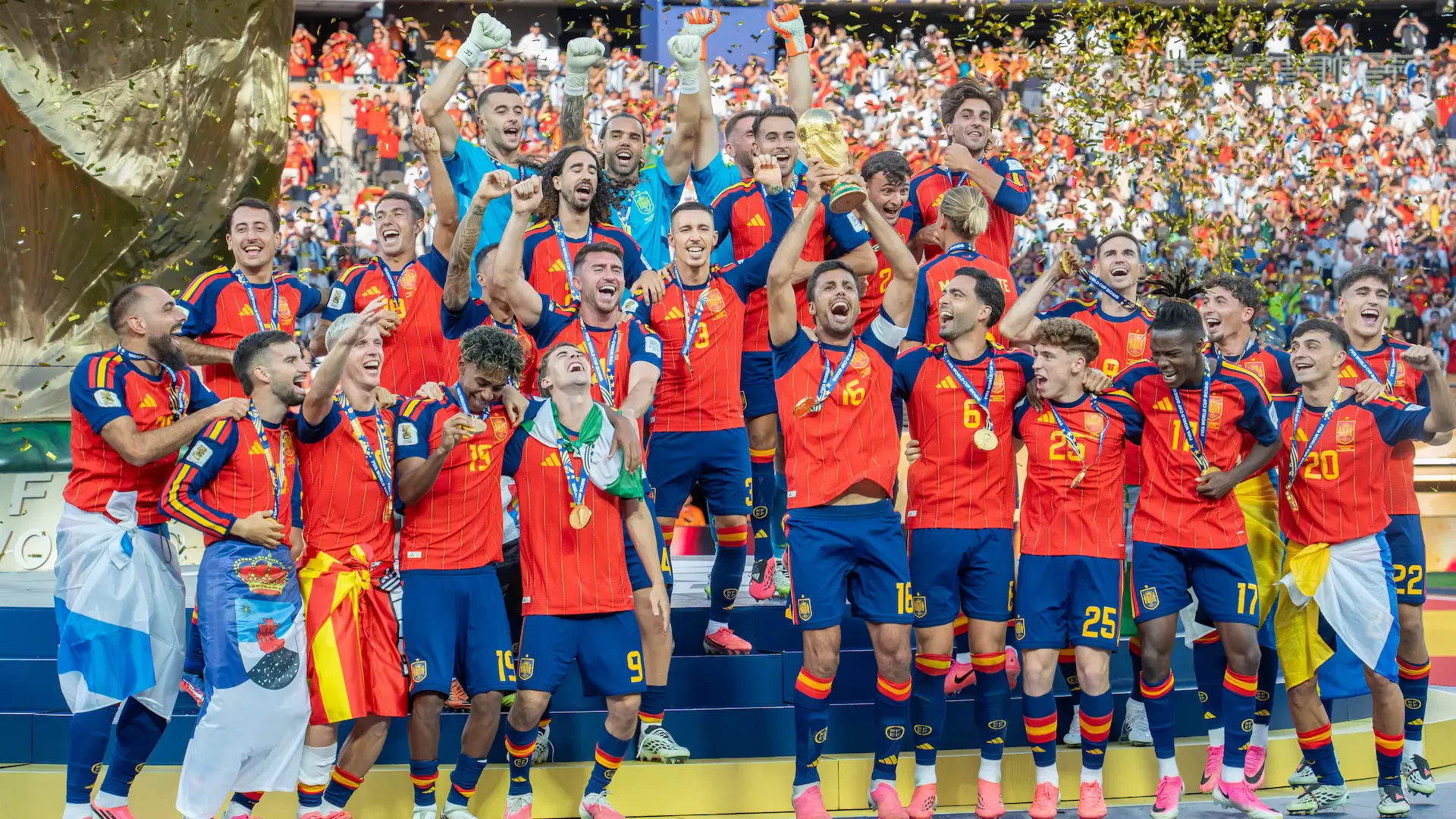
Rodri anchored Spain throughout their run to the title, bringing control and composure to the heart of the midfield. His ability to dictate the tempo, recover possession, and provide balance became central to Spain's success, earning him the Golden Ball as the tournament's outstanding player.