
For decades, the World Cup had carried one unfinished story. Every tournament added another chapter to the debate surrounding Lionel Messi — a player widely considered one of football's greatest, yet missing the one trophy that seemed to define football immortality. By 2022, the tournament in Qatar felt less like another World Cup and more like the final act of an era that had shaped the sport for nearly twenty years.
The final against France became something larger than a championship match. Momentum shifted endlessly, legends collided, and what appeared finished repeatedly came back to life. Amid the chaos stood Kylian Mbappé — football's emerging future — facing the player many believed defined its past. For 120 minutes, the match felt suspended between generations.
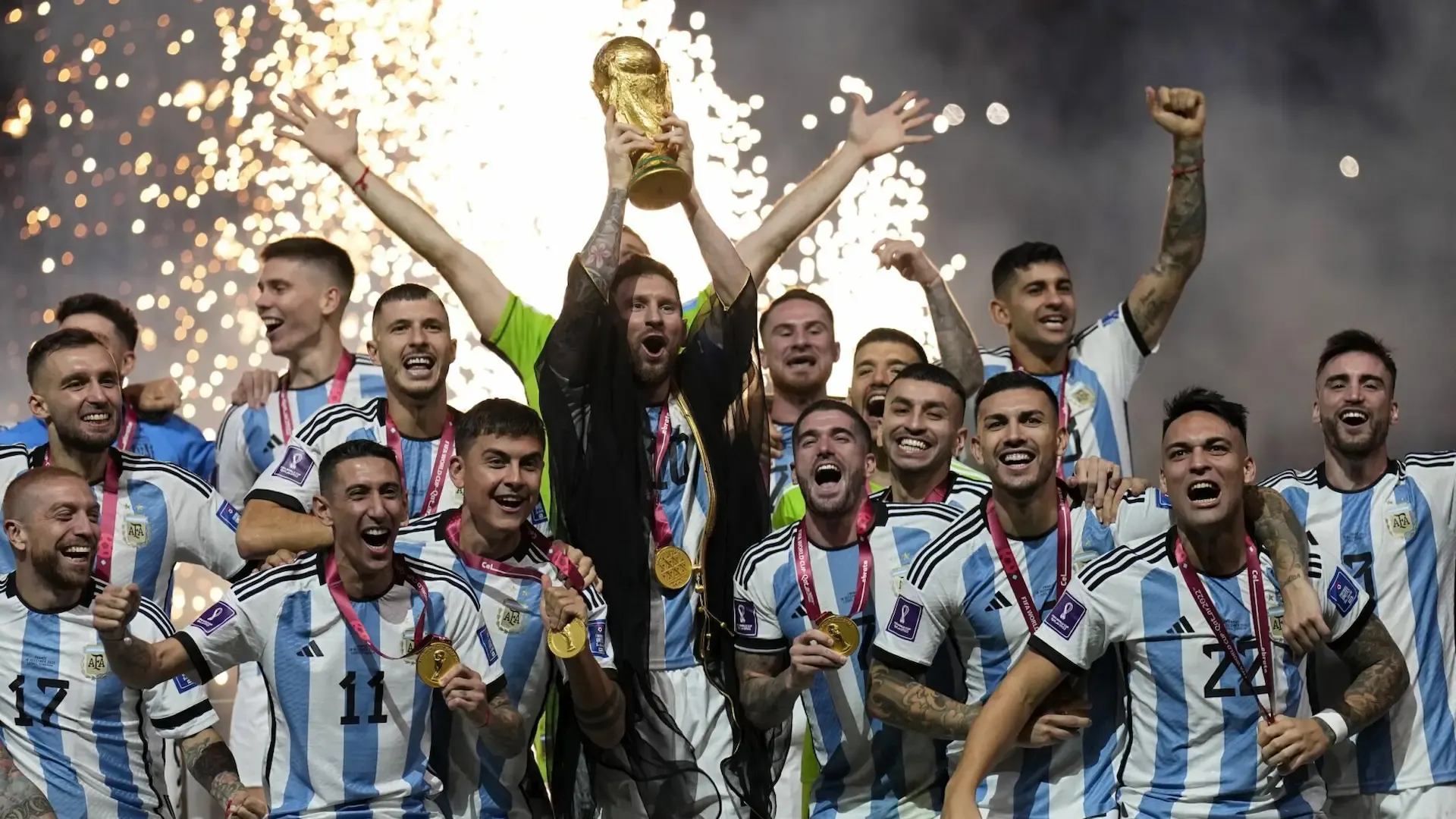
When the final penalty was scored, the tournament delivered something sport rarely achieves: an ending that felt complete. Not because it was scripted, but because football history had finally found its closing image — Messi, lifted above the crowd, holding the World Cup trophy that had escaped him for so long.
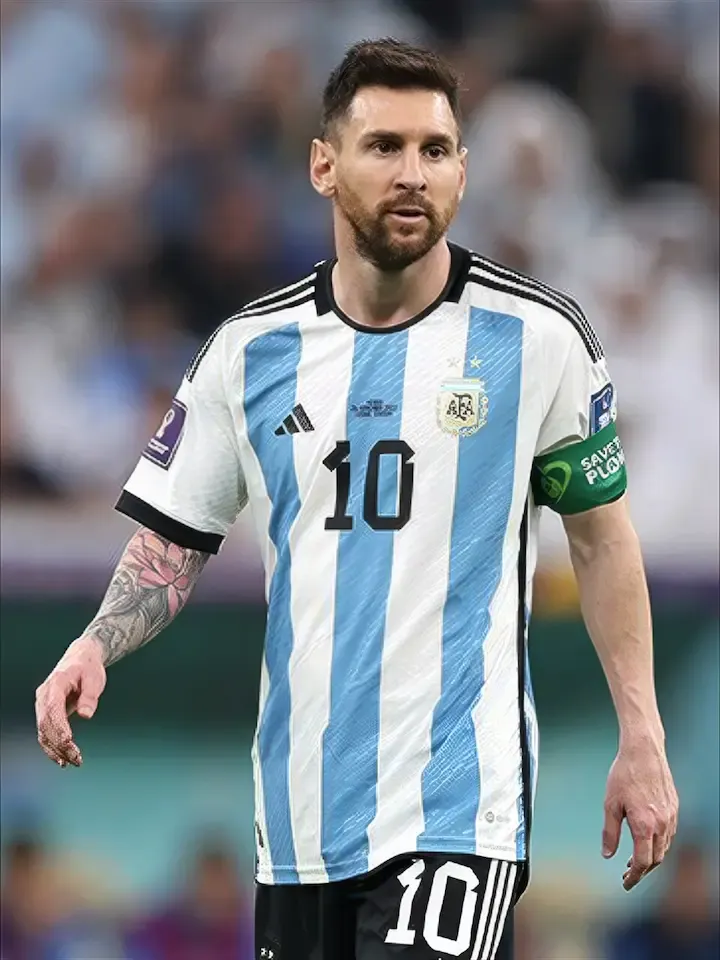
Lionel Messi delivered the defining performances of his international career, inspiring Argentina from the opening match to the unforgettable final. His leadership, creativity, and decisive contributions completed one of football's greatest journeys and finally secured the World Cup that had long eluded him.
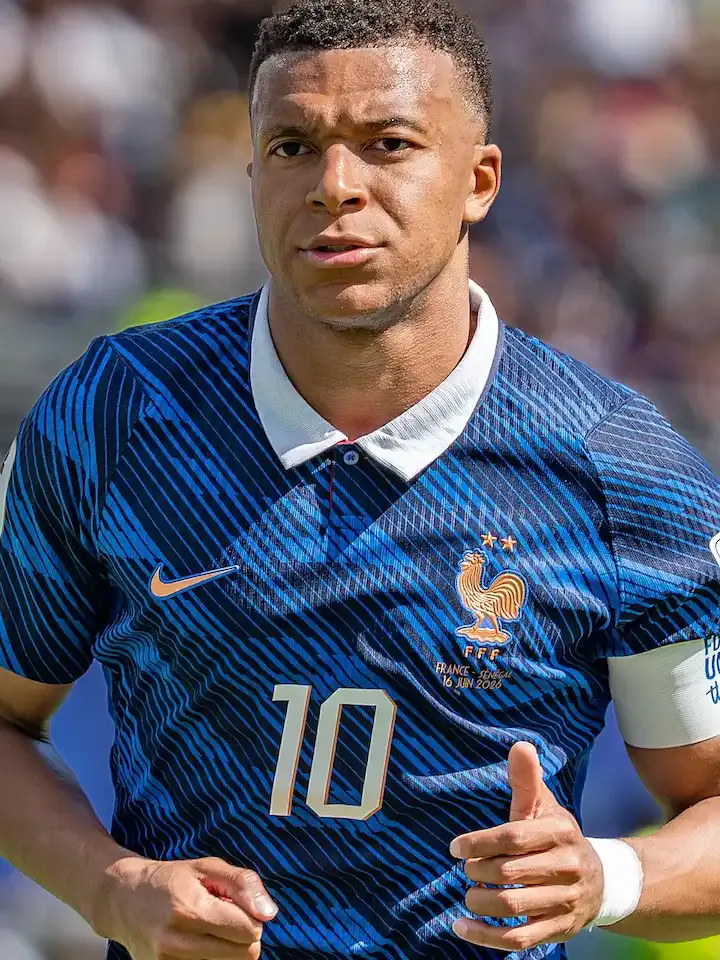
Kylian Mbappé claimed the Golden Boot after producing one of the greatest individual performances ever seen in a World Cup final. His hat-trick against Argentina nearly delivered back-to-back titles for France and confirmed his place as the leading figure of football's next generation.