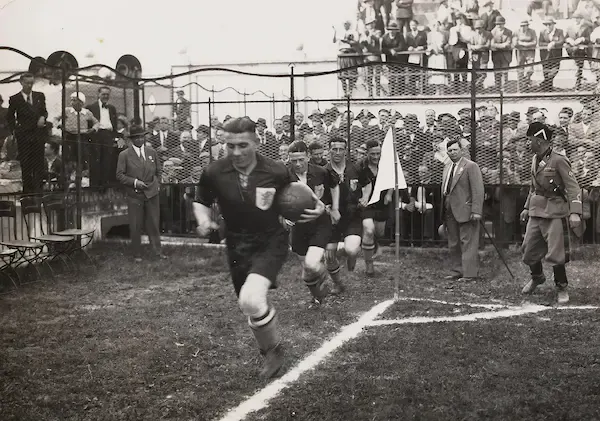
Four years after its uncertain beginning, the World Cup arrived in Europe. The tournament was larger, more competitive, and more politically charged than before. Football was beginning to prove that it could unite continents under a single competition.
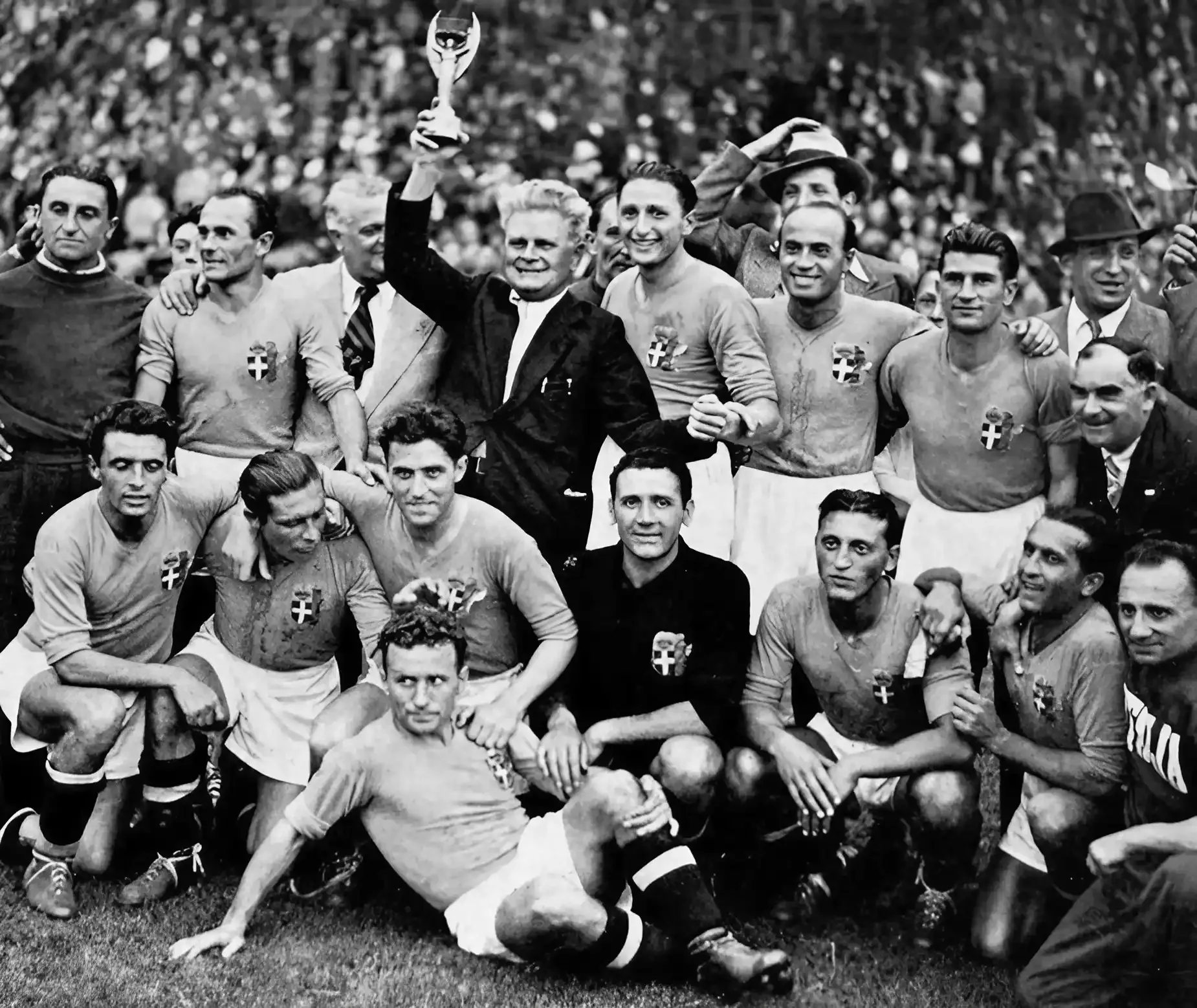
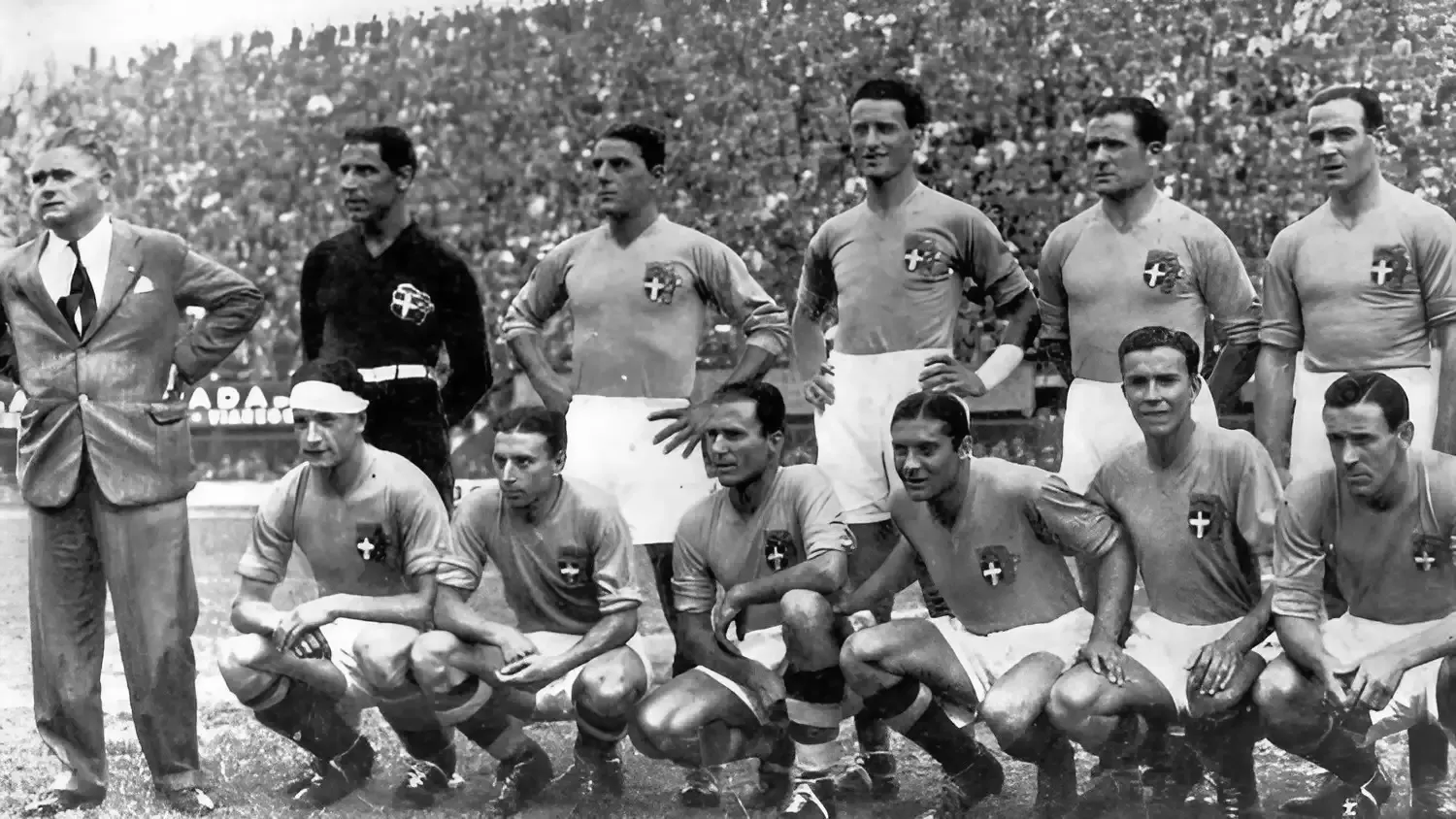
Italy's victory established the first dominant force in World Cup history. For the first time, the tournament felt less like an experiment and more like a global championship. Nations arrived not simply to participate, but to win.
As the final whistle sounded in Rome, the World Cup's future became clearer. The competition had survived its infancy and was beginning to define an international sporting order.
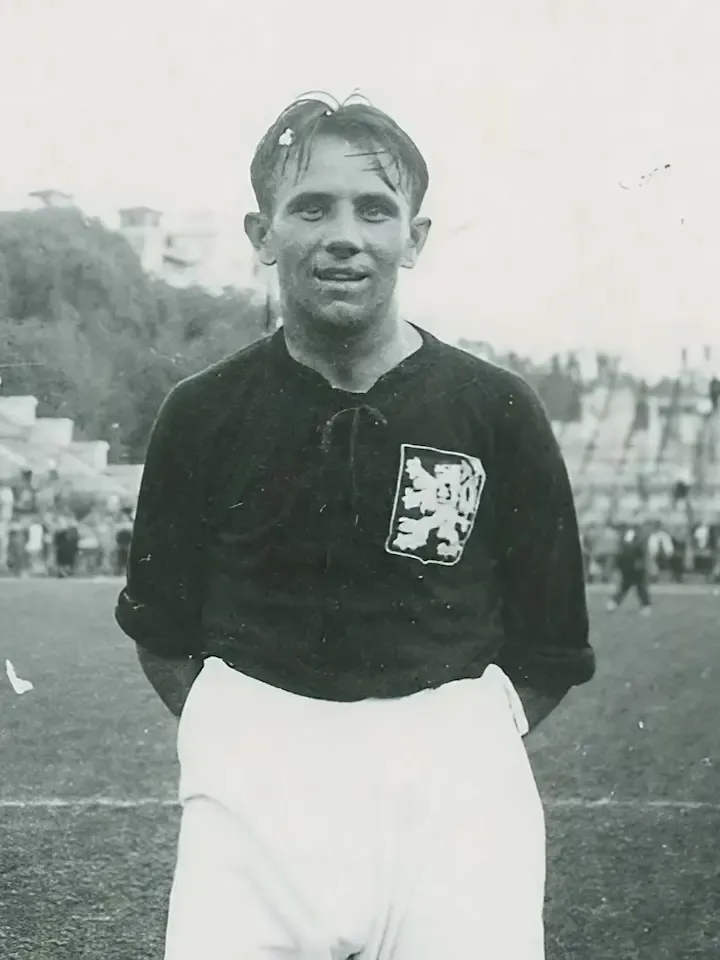
Oldřich Nejedlý guided Czechoslovakia to its first World Cup final, finishing as the tournament's leading scorer. His clinical finishing and consistency made him one of the defining players of the 1934 competition.