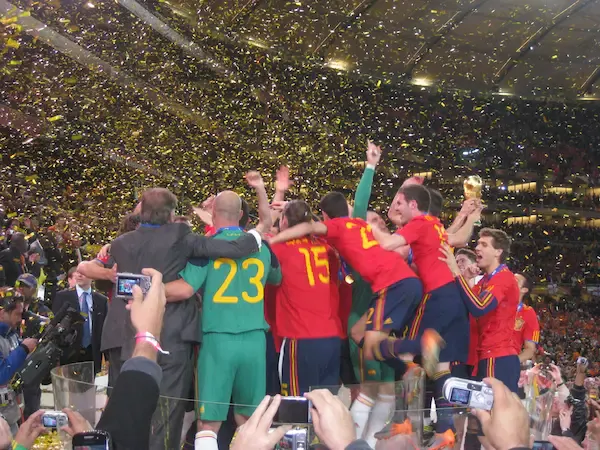
For generations, Spain had been admired for its football but haunted by its inability to convert promise into success on the world's biggest stage. Talented teams came and went, yet the World Cup always seemed to end in disappointment.
By 2010, however, something had changed. Built around a generation that had already conquered Europe, Spain arrived in South Africa with a style defined by patience, control, and technical excellence. Every match felt like an exercise in imposing their vision of football upon the game itself.
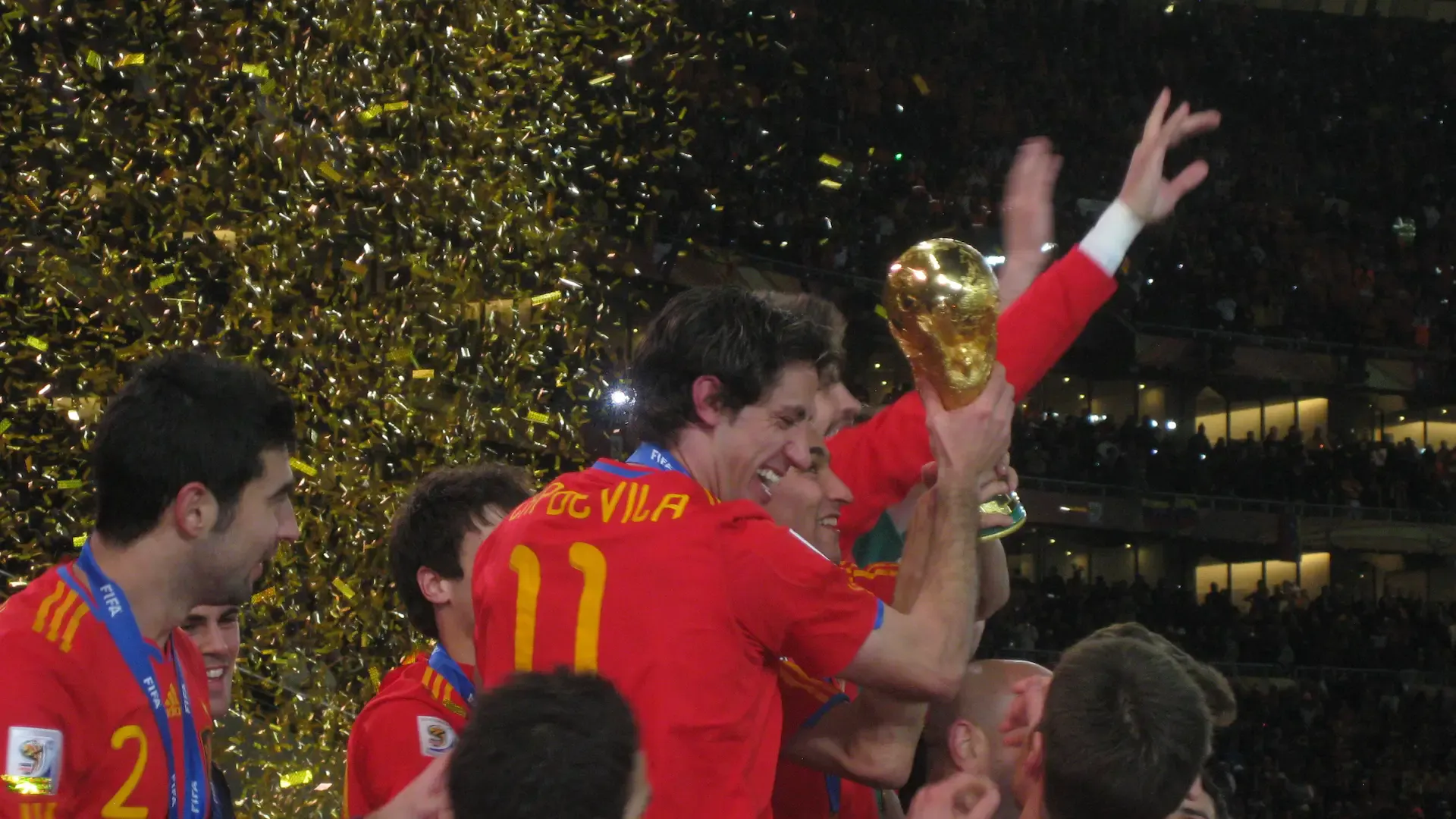
When Andrés Iniesta scored in extra time against the Netherlands, Spain secured the first World Cup in its history. The victory completed one of football's greatest transformations, turning a nation known for potential into a champion remembered for perfection.
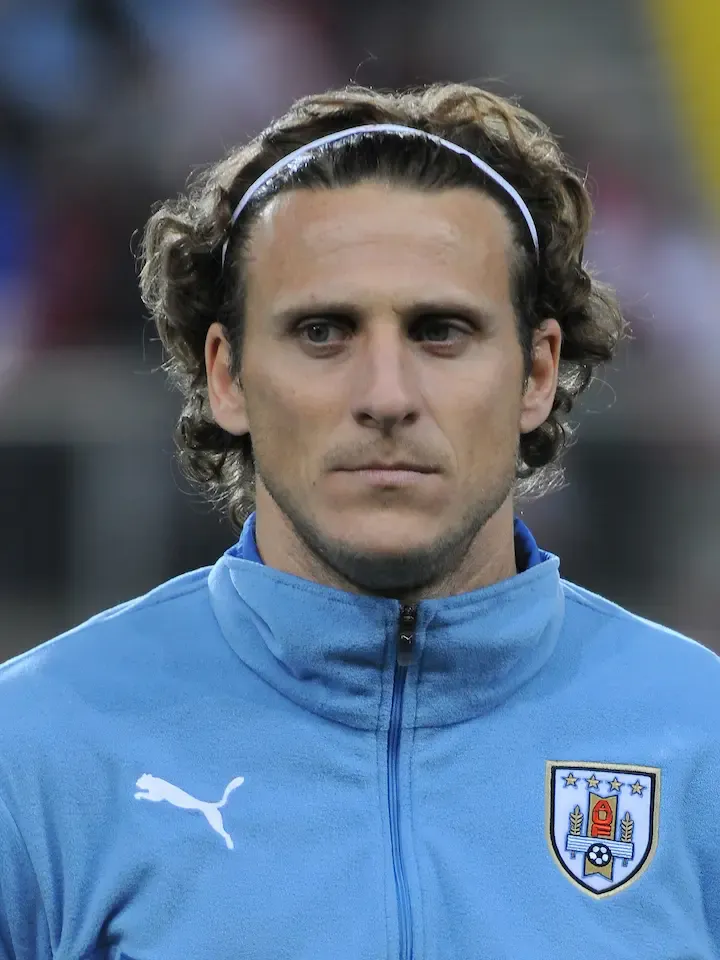
Diego Forlán inspired Uruguay's finest World Cup campaign in four decades, combining spectacular long-range strikes with relentless work rate and creativity. His performances carried Uruguay to the semi-finals and made him one of the tournament's defining figures.
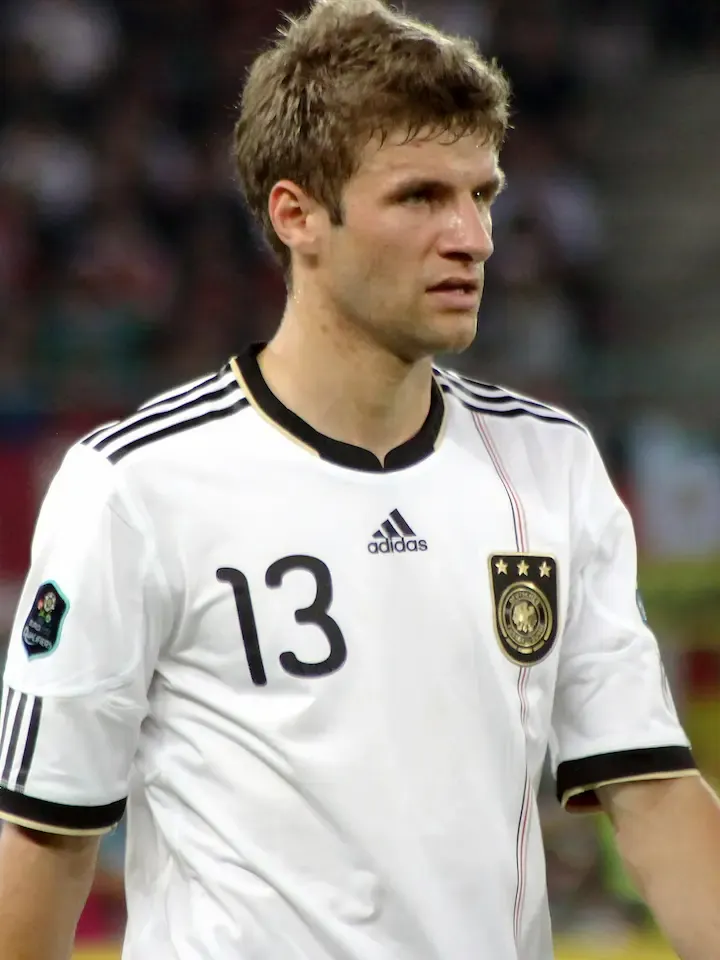
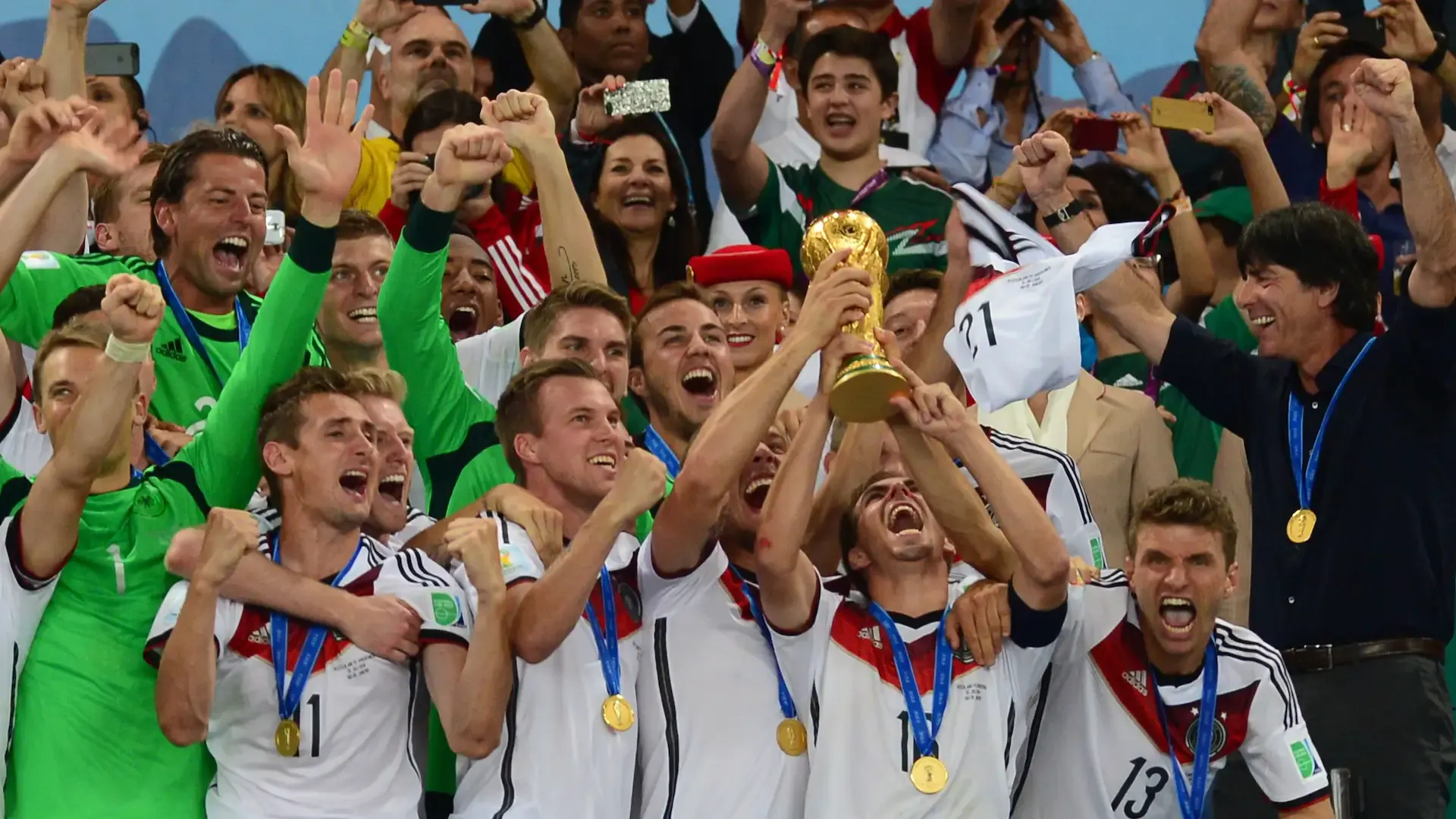
For only the second time in World Cup history, four players shared the Golden Boot. Thomas Müller claimed the award through the tournament's tie-breaking criteria, while Villa, Sneijder, and Forlán each played pivotal roles in leading their nations deep into the competition.