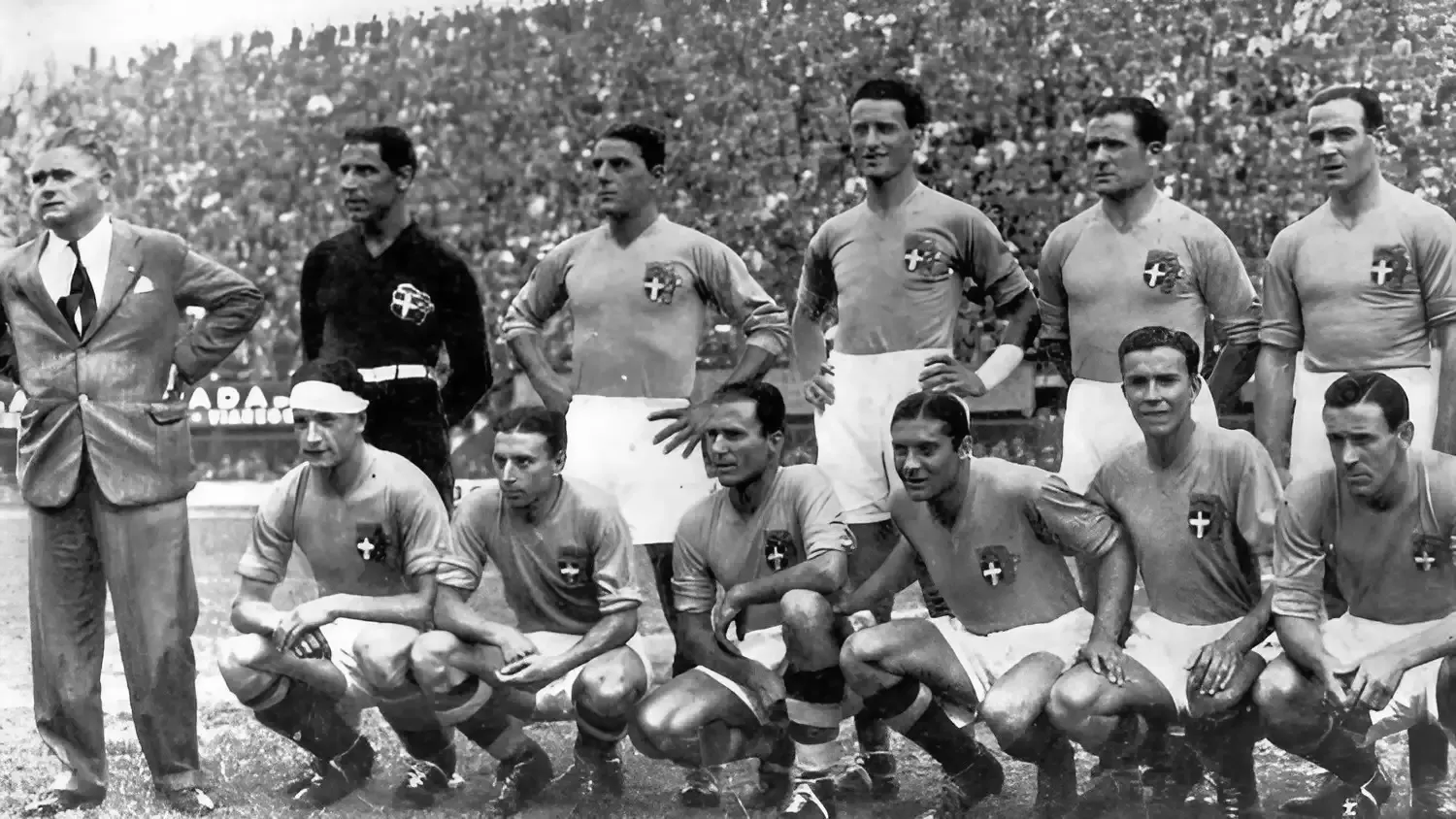
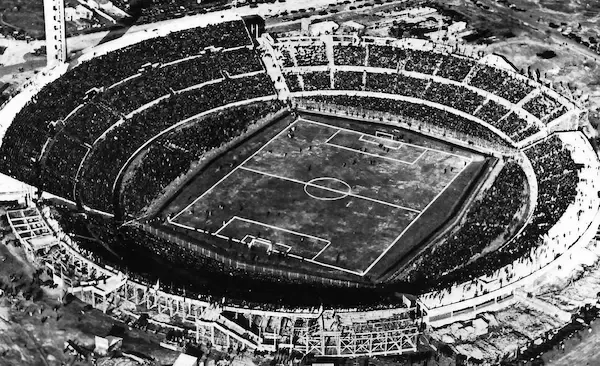
For most of its participants, the journey to Uruguay took longer than the tournament itself. Teams crossed oceans by ship, football remained largely regional, and no one could know whether the experiment would succeed. What gathered in Montevideo was not yet the world's game, but a collection of nations testing the idea that football could belong to everyone.
Only thirteen teams took part in the first World Cup, yet the tournament created something far greater than a champion. It established a stage where countries could compete not only for victory, but for identity, pride, and history. Every World Cup that followed would trace its origins back to these first matches.
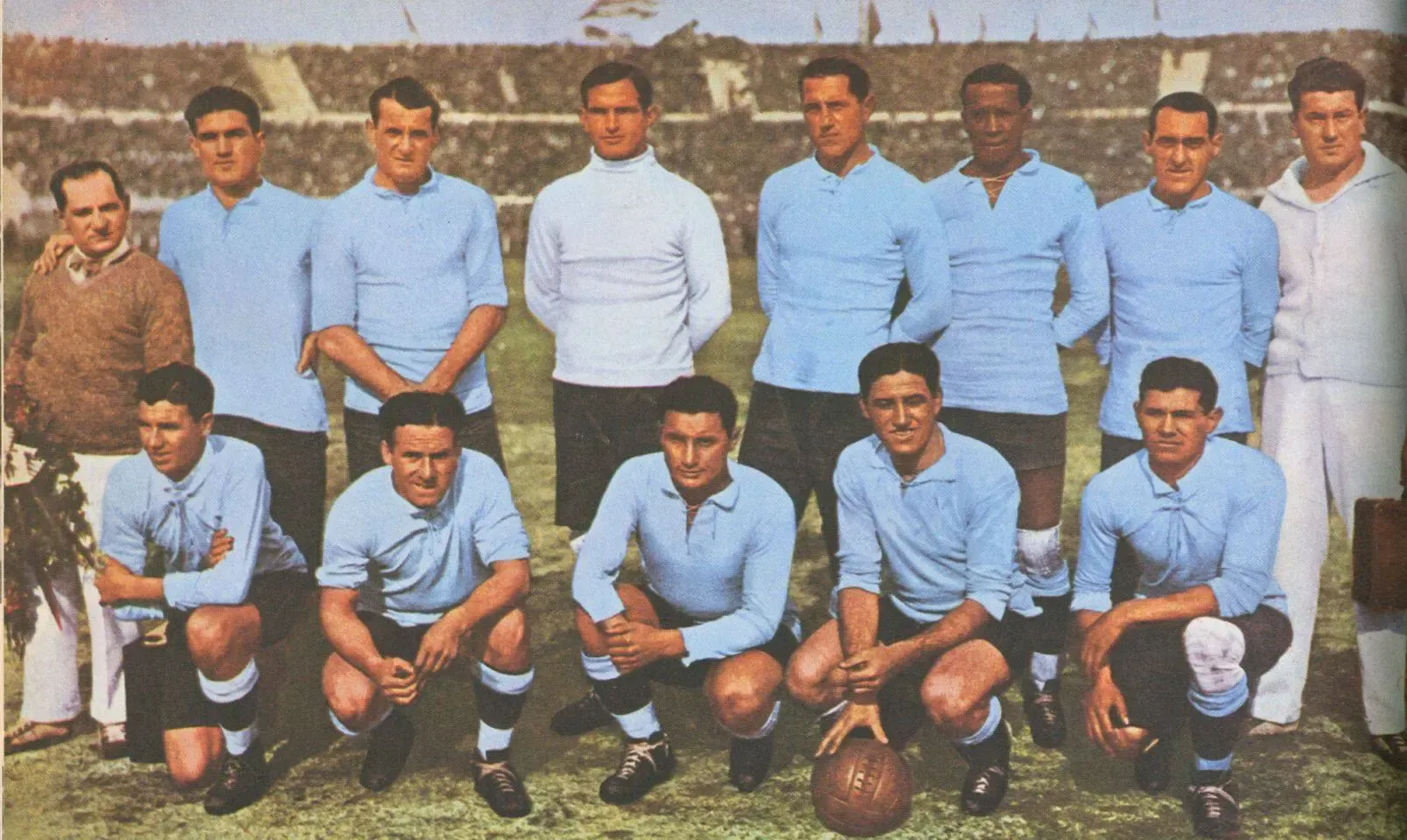
When Uruguay lifted the trophy on home soil, football's greatest tradition was born. The world was not watching yet, but one day it would.
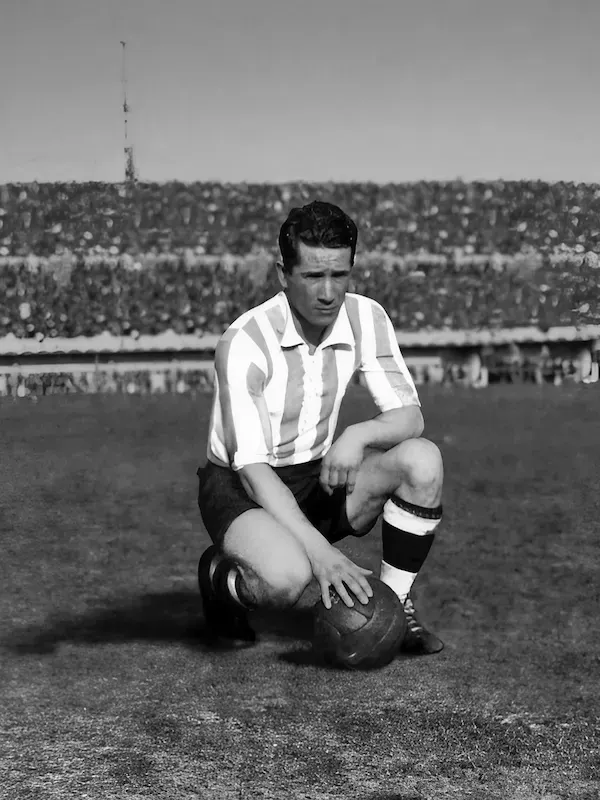
Despite missing Argentina's opening match, Guillermo Stábile finished as the tournament's top scorer with eight goals in just four appearances. His remarkable efficiency helped lead Argentina to the inaugural World Cup final and established him as football's first great goalscorer on the international stage.